
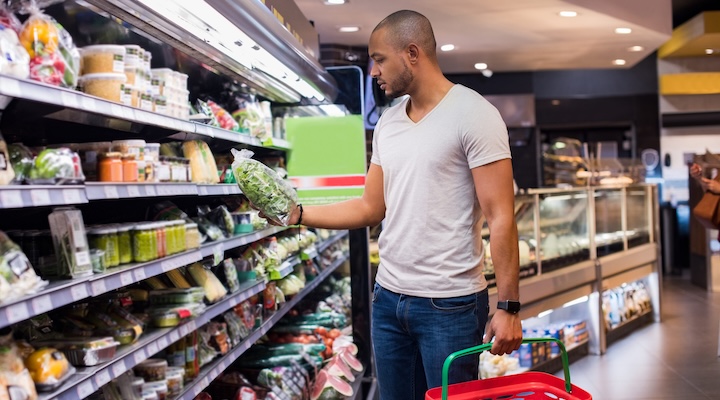
Price remains the most significant factor in purchase decisions, according to Inside the Mind of an Australian Grocery Shopper 2025, a joint report by Shop! ANZ and the global insights platform Vypr.
Forty-eight per cent of respondents said price heavily influenced their purchases, 90 per cent said they bought products purely because they were on promotion, and 43 per cent said they had gone out of their way to access a deal.
The report also highlighted the growing popularity of supermarket private-label brands, with more than 42 per cent of shoppers citing price, value, or cost-of-living pressures as the reason.
“We’re seeing a nation of grocery shoppers who plan, compare and validate every choice, leaving less room for spontaneity,” said Carla Bridge, GM at Shop! ANZ.
“Nearly half (49 per cent) of shoppers plan more now than they did in 2020, with most doing full shops (32 per cent) or topping up essentials (29 per cent), rather than trying new things (7 per cent) or seeking inspiration (4 per cent).”
Despite the growing emphasis on planning, 87.6 per cent of grocery purchase decisions still occur in-store.
The report attributed this to ongoing stock issues and high delivery costs, which have limited the online grocery shopping.
The report said that strong in-store visibility remains crucial for brands, with both excess and minimal marketing found to reduce recall.
“Continuously winning the grocery basket today means showing up consistently, both in and out of the store,” said Sam Gilding, international chief revenue officer at Vypr.
“We found that more than two in five (43 per cent) Australian shoppers noticed marketing and advertising more after buying a product, and there’s no better channel to reach them than social media.”
“Among those influenced by advertising, more than half (56 per cent) cited social media as the most powerful driver – well ahead of physical formats like window promotions (38 per cent), posters outside stores (33 per cent), traditional billboards (24 per cent), public transport ads (16 per cent) trail behind and store entrance sampling or ambassadors (11 per cent),” said Gilding.


