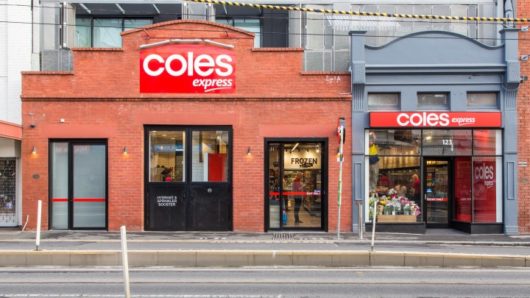

Coles and Woolworths are facing a new level of regulatory scrutiny. Since July 1, the ACCC has gained sweeping new powers to examine Australia’s largest supermarket chains. Under the excessive grocery pricing prohibition, it can scrutinise prices, revenue, quantities sold, product margins, operating costs and supplier rebates, then dig deeper when the figures raise questions. On the very same day the law came into effect, the regulator also blocked Coles’ proposed lease of a Ka
Kalgoorlie site for a new supermarket and Liquorland.
Together, the decisions signal an ACCC increasingly willing to scrutinise supermarkets from site acquisition through to shelf pricing.
The pricing prohibition applies to supermarket retailers earning more than $30 billion annually in Australia, which currently consists of the archetypal supermarket duopoly – Coles and Woolworths. A grocery price may breach the rule when it is significantly excessive compared with the cost of supplying that product plus a reasonable margin. However, there is no automatic percentage at which a price becomes unlawful. Suzanne Howari, a special counsel at Holding Redlich with a remit in Corporate and Commercial Law, says the regulator is taking “a more active role in overseeing both market structure and market conduct in the supermarket sector”. The ACCC may also consider supplier costs, freight, wages, rent and other legitimate expenses. Rises can therefore be commercially justified, but the problem begins when the retailer’s numbers struggle to explain the distance between cost and checkout.
That dual interest was evident in Kalgoorlie, a small mining town of about 30,000 people, where Coles proposed a 2800-square-metre full-line supermarket and liquor store. It became the first acquisition prohibited under Australia’s new mandatory merger regime, which requires businesses to notify the ACCC of qualifying acquisitions and wait for clearance before proceeding. Upon the decision, ACCC Deputy Chair Mick Keogh noted the significance of independent supermarkets and their role as an important competitive constraint on the major supermarket chains. “They provide consumers with meaningful choice, competition on service, quality and range, and competition on price for some products.”
Competition advice should be the first priority
For Howari, the case highlights the importance of competition advice towards the beginning of the development process, besides rent, planning, construction costs and projected sales. “Ideally, before sites are secured and key commercial terms are agreed,” she said. The risk is especially pronounced in regional markets, where a single opening can divert a sizable share of household grocery spending. As Howari explained, competition law cannot be treated as a regulatory issue to be addressed shortly before completion.
The ACCC’s new reach also extends to promotions; in its guidance, the regulator imagines a soft drink that regularly alternates between full price and 20 per cent off. A supermarket then doubles the full price and advertises a 30 per cent discount, which leaves customers paying far more than before. The watchdog can examine the entire pricing history, including supplier rebates, allowances and promotional funding behind the “sale”. It may also compare prices across regions and investigate whether higher charges in areas with fewer competitors genuinely reflect greater supply costs. Coles and Woolworths must retain relevant pricing information for at least three years, while false or misleading responses to compulsory information requests can create further legal trouble. The modern supermarket may still live by the weekly special, but the ACCC now wants to see how it works.
Regulatory scrutiny can begin with the land, continue through the lease and follow a product all the way to the checkout basket. Developers may require a competitive analysis before securing an anchor tenant, and subsequently, pricing teams will need records that stand the test of time. As Howari explains, businesses that can be proactive by identifying and managing competition risks early will be far better positioned to avoid lengthy investigations. “Strengthen governance, competition law compliance and internal risk assessment processes, particularly in areas that have become ACCC enforcement priorities,” she said.
Kalgoorlie proved the ACCC can prevent a supermarket from opening, and the pricing prohibition will test how closely it can examine one already trading.