
A year can be a long time in retail, particularly when last year’s winners become this year’s hurdles. For Super Retail Group, FY26 brought record sales, but growth became more expensive and the balance of performance across its four major brands shifted significantly. Sales rose 3.2 per cent, yet normalised profit before tax fell 7 per cent to AU$306 million as wages, occupancy costs and investment in new systems and the Truganina distribution centre weighed on earnings. But the bigger stor
tory sits inside the portfolio, where some of FY25’s strongest performers stumbled while others regained momentum.
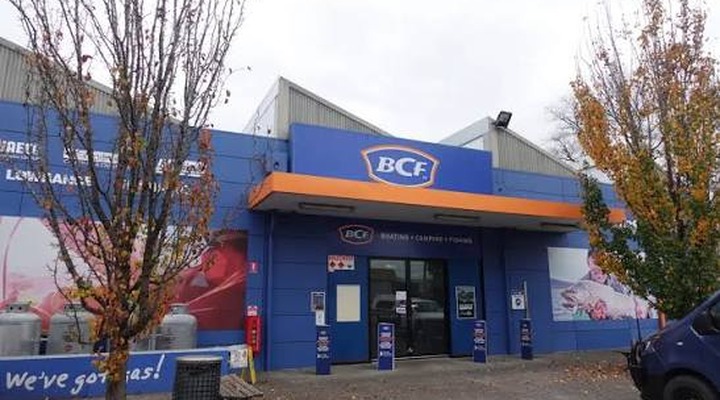
BCF
Twelve months ago, the hierarchy looked almost inverted. BCF was last year’s prodigy and conspicuous winner, posting record sales and 12 per cent PBT growth, but this fiscal year, it stumbled. Like-for-like sales fell 2.1 per cent, transaction volumes declined, and profit before tax dropped 14.3 per cent to AU$52.3 million. The outdoors proved especially capricious and adverse conditions in South Australia and Victoria curtailed BCF’s marine and fishing trade early in the year. Super Retail Group’s CEO, Paul Bradshaw, who stepped into the role 10 months ago, stressed that the fuel crisis proved more significant, with higher fuel prices and fears over availability dampening outdoor leisure during the crucial Easter period.
By contrast, Bradshaw described FY25 as exceptional, when “favourable conditions aligned to deliver a strong result”. This year, however, he conceded the result fell short of the group’s ambitions.
Supercheap Auto
Supercheap Auto recovered its momentum and supplied the clearest redemption story.
After slow growth in FY25, Supercheap turned around in FY26, with sales increasing 3.9 per cent to AU$1.6 billion, Australian like-for-like growth of 2.8 per cent, and profit before tax up 3.3 per cent to AU$203.3 million. Online sales went up 17 per cent to AU$147 million. Bradshaw said customers responded well to the ranging initiatives the team put in place, but fourth-quarter momentum moderated as fuel-supply disruption affected customer traffic and spending.
Macpac
This fiscal year, Macpac’s profitability surged after an FY25 marked by softer New Zealand trading and elevated costs. Like BCF, the brand also faced a meteorological challenge, as an unusually mild winter in NSW and Victoria suppressed demand during its peak season, particularly for insulation products.
But even so, sales increased 3.5 per cent to AU$239.5 million and profit before tax climbed 32 per cent to AU$13.6 million. Bradshaw attributed the result to disciplined pricing, gross-margin management and tight cost control following clearance activity earlier in the year.
Rebel
Rebel, on the other hand, supplied the group’s portfolio with a degree of continuity. After recording 3.5 per cent comparable-sales growth in FY25, sales rose 4.5 per cent to AU$1.4 billion this year, and like-for-like sales increased 3.8 per cent, with growth in both transactions and average spend.
Gross margin improved 60 basis points; Bradshaw said this was achieved through tighter promotional discipline and favourable product mix, while profit before tax rose 4.3 per cent. This can also be attributed to Rebel’s World Cup merchandise sales increasing 70 per cent compared with four years earlier, with stock still selling out early. He remained circumspect about execution in an investor call this morning. “We haven’t fixed that. We’ve improved. We’re in a better place than we were, but we’ve got a lot of work to do in that space.”
Winners change quickly
Eight weeks into FY27, the pecking order already seems to be shifting again. For the group as a whole, like-for-like sales are up 1.5 per cent, led by Supercheap Auto at 4 per cent, and Macpac, fresh from a 32 per cent rise in FY26 profit before tax, has already changed direction, with like-for-like sales down 8.9 per cent and total sales falling 10.2 per cent. That said, Bradshaw was wary of reading too much into the early numbers. “I want to reiterate: this represents seven weeks of a 53-week year,” he said.
A year can be a long time in retail, and for Super Retail Group, FY26 has shown how quickly the winners can change.


