
Come the first of April, the internet fills with improbable product drops, tongue‑in‑cheek job ads and carefully crafted press releases that blur the line between truth and teasing. Behind many of these pranks is not a mischievous intern but a coordinated brand strategy — one that often involves PR specialists, social teams and creative directors planning weeks in advance. What was once simply a day for jokes has become a fixture in the marketing calendar. For brands, April Fools’ Day
ay now offers a rare opportunity: a moment to engage audiences through humour, humanise corporate identities, and earn a burst of social buzz without the pressure of a hard sell. The trick lies in knowing when, and how far, to play along.
The method behind the mischief
Marketers see April Fools’ not as a one‑off gag, but as a low‑stakes storytelling exercise. When done well, a prank fuels conversation, drives shares and deepens an emotional connection through laughter. Unlike a paid advertisement, the audience becomes the medium, amplifying a message because they genuinely enjoy the joke.
The most effective pranks make consumers feel in on it rather than fooled by it. They use the element of surprise to reveal a brand’s personality — the kind that’s harder to show in a year‑round product push. Whether it’s a fake tech launch or a spoof service, the humor acts as a soft‑power marketing tactic, strengthening recall long after the laugh fades.
Still, it’s a balancing act. A prank that misses the mark can backfire spectacularly. Volkswagen’s ill‑fated 2021 “Voltswagen” name‑change joke is still cited in marketing case studies as what not to do: the campaign triggered real stock market reactions and confusion among journalists before the company revealed it was, in fact, an April Fools’ stunt. Similarly, Google’s 2016 “Mic Drop” Gmail feature — intended as a lighthearted Minions‑themed add‑on — accidentally disrupted users’ professional emails, forcing an apology within hours.
The moral? Audiences might forgive a brand that pokes fun at itself; they’re less forgiving when the joke wastes their time or undermines trust.
April Fools’ 2026: the modern brand playground
Fast‑forward to 2026, and April Fools’ Day has evolved into a lively stage for creative marketing plays. Many brands now use the day not just to amuse but to subtly test ideas, generate engagement data, and remind consumers who they are — or who they might be in an alternate reality.
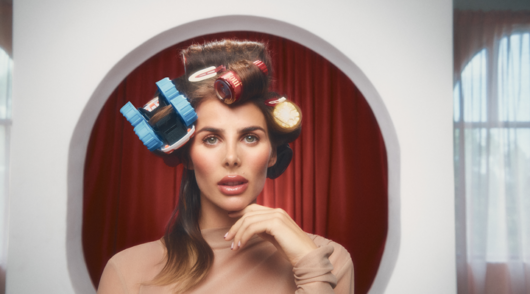
Dyson Beauty offered perhaps the sleekest prank of the day with its “Dyson Beauty Pet Range,” a faux expansion of its high‑tech hair tools into the animal grooming world. The press release read like a genuine product announcement, complete with mock‑serious quotes and cleverly named devices — from the “Airwrap Purrrmed” for feline fluff to the supersized “Airstrait Thoroughbred” for show horses. The campaign sparked laughter on social media while reinforcing Dyson’s reputation for precision engineering and playful innovation.
Meanwhile, Grill’d took a completely different tack with “Tender Time,” a parody wellness offering that imagined a “burger‑inspired massage experience.” The joke landed squarely in Australia’s current self‑care zeitgeist, complete with pun‑filled product names such as “Hey Hot Stuff” and “Herb Your Enthusiasm.” What made the execution work was its rootedness in Grill’d’s existing brand promise, healthy indulgence, while cheekily expanding it into the wellness space.
And then there was KitKat ANZ, which posted a delightfully absurd job listing on Instagram seeking a “Chief Chocolate Protection Officer.” The mock ad, filled with tongue‑in‑cheek criteria (“good eyesight,” “ability to sleep with one eye open”), earned praise from followers who enjoyed the brand’s playful tone. Unlike a typical recruitment campaign, the joke doubled as a reminder of KitKat’s Australian heritage and its cultural cachet — serious about chocolate, not about itself.
The benefits and boundaries of the prank economy
Why do marketers continue to take part? Simple: engagement. On April Fools’ Day, audiences expect novelty. That gives brands the freedom to step outside their usual tone without confusing customers. The temporary suspension of disbelief creates a safe space to experiment with storytelling, even concepts that might never survive a real focus group.
There’s also the algorithm advantage. Platforms like TikTok and Instagram reward content that sparks comments, saves, and shares — metrics easily achieved through humour. A well‑timed prank can outperform weeks of paid promotion, while humanising the brand in the process.
But the risks remain real. Consumers today can spot inauthentic humour from a kilometre away. If an April Fools’ prank leans too heavily on misleading claims or insensitive jokes, it can erode trust quicker than it generates clicks. In an age of misinformation and brand accountability, even a lighthearted gag requires careful calibration.
The fine art of fooling
April Fools’ Day in 2026 proves that the jester’s hat now sits comfortably beside the marketer’s cap. Done right, a prank is more than a joke – it’s a mirror reflecting how brands see themselves and their audience. Whether they’re mocking convention, celebrating creativity or simply offering a shared laugh, the smartest brands know the truth behind every successful prank: consumers don’t just want to be entertained, they want to feel part of the fun.