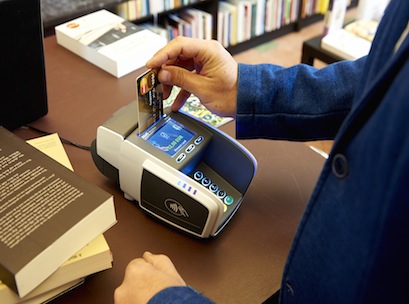
The transition from signature to PIN has almost neared completion, but industry experts are still advising merchants to be mindful of PIN exemptions. The move from signature to PIN commenced on August 1, phasing out the acceptance of signature as a valid form of authorisation on most Australian issued credit and debit cards. The rollout has since been deemed a success by the industry with more than 95 per cent of Australians now using PIN at the point of purchase, however, there are
circumstances where cardholders will still be permitted to sign.
PINwise spokesperson and founder of TheMoneyMentorWay.com, Nicole Pedersen-McKinnon, says the transition period, which occurred because the software in all point-of-sale (POS) terminals across Australia required upgrading, will come to an end shortly.
“Currently over 75 per cent of terminals have received an upgrade, which means the number of places where signature is accepted on Australian issued chip cards will rapidly reduce,” Pedersen-McKinnon said.
“If you’re one of the remaining five per cent still hanging onto signature wherever you can, then the opportunity to sign will soon be completely gone, so make sure you know your PIN”.
There are three key exemptions to compulsory PIN authorisation, where cardholders may need to sign and are permitted to do so
Australian credit, debit, and prepaid cards without an embedded chip.
Australian issued magnetic-stripe (mag-stripe) cards without an embedded-chip will still be able to use signature for authorisation. Many of these cards will be replaced with chip-enabled cards by their issuer in the near future. This includes some American Express and Diners Club cards and certain prepaid gift cards.
Cards issued outside of Australia:
Visitors from overseas are not impacted by the changes, so they will use signature or PIN to authorise transactions as they did before.
Signature-preferred cards:
Special limited issue signature preferred cards are available for Australians with a genuine need to sign. Signature preferred cards feature a special chip to identify that the card does not require a PIN to complete the transaction; automatically notifying retailers via the POS terminal screen that a signature is permitted.